When I first began writing about York’s riverside, one of the most frequent questions I received was: “Is it accessible?” Over time I’ve walked, wheeled and rolled many of the riverside paths so I can answer from direct experience. Below I share the routes I use most, practical notes about toilets and benches, transport and parking tips, and a few gentle warnings about cobbles and narrow passages. My aim is to help you plan a calm, restorative riverside outing with mobility in mind.
Quick overview of riverside areas I recommend
The River Ouse winds through central York and offers several distinct stretches that work well for people using wheelchairs, mobility scooters, walking frames or simply preferring step-free paths. These are the routes I return to most often:
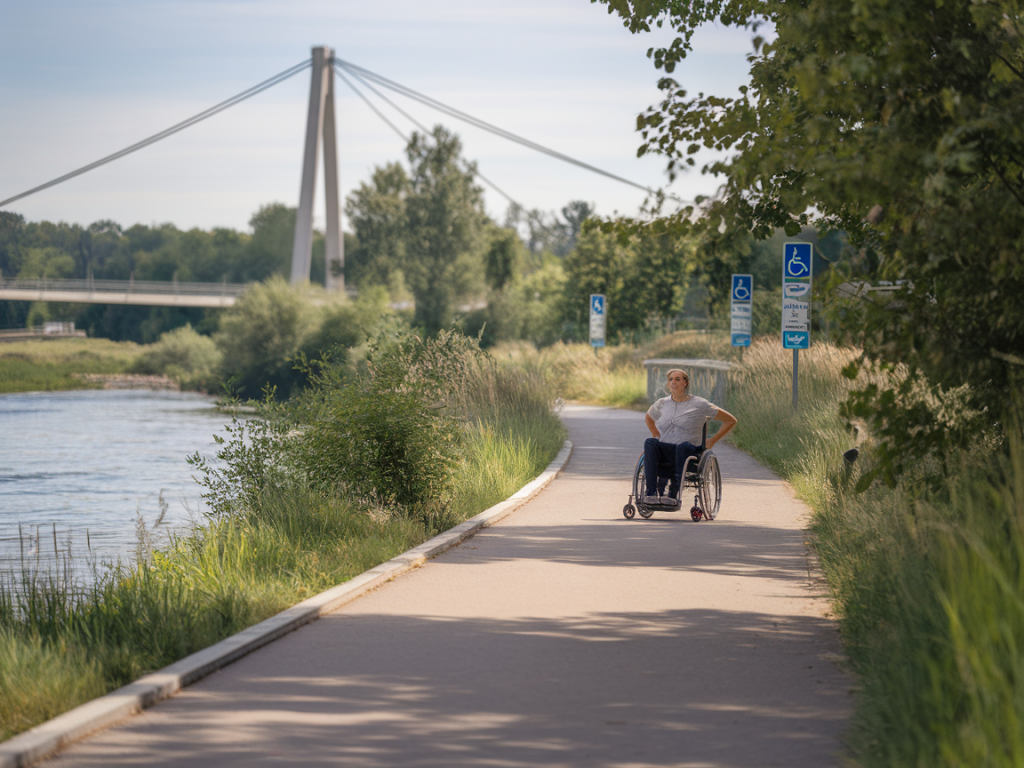
Museum Gardens to Lendal Bridge — a level, largely paved riverside walk close to the Minster and major attractions.Millennium Bridge to the University gardens — modern bridge ramps and wide pathways make this stretch straightforward.Rowntree Park riverside loop — a peaceful park route with firm paths and several benches.King’s Staith and the riverside near the historic wharves — picturesque but check for occasional raised kerbs and cobbles.Route details and accessibility notes
Below is a practical snapshot of the routes I mention most. Distances are approximate and surfaces can change after floods or maintenance, so I always suggest a quick check with the venue or the council before you travel.
| Route | Approx. distance | Surface | Suitability |
| Museum Gardens — Lendal Bridge | 0.5–1 mile (one way) | Flat, paved paths, some compact gravel | Good for manual & powered wheelchairs; gentle ramps to bridges |
| Millennium Bridge — University area | 0.3–0.7 mile | Modern decking and paved approaches | Very accessible; wide ramps to bridge |
| Rowntree Park loop | 0.7–1.2 miles | Firm tarmac and compacted paths | Suitable for most mobility scooters and wheelchairs |
| King’s Staith & wharves | 0.2–0.6 mile | Mixed: paving, occasional cobbles | Accessible with caution; watch for uneven patches |
Toilets and Changing Places
Accessible toilets are a lifeline on a day out. In York I usually plan routes that keep me within reach of accessible facilities. A few pointers:
York Railway Station has accessible toilets and, crucially, a Changing Places facility — useful for people needing hoists or extra space. If you’re arriving by train this is often the most reliable option.Public toilets at popular sites (Museum Gardens, Rowntree Park) have accessible cubicles; their availability can vary with events or maintenance.I always recommend downloading the Changing Places and Disabled Toilets apps or checking the council’s website before you travel, especially if you need hoists, adult changing benches or space for a carer.Transport tips: getting to and around the riverside
Practical transport planning makes all the difference to a relaxed day by the river.
By train: York station is large, step-free from many platforms to the concourse, and close to taxis. From the station it’s about a 10–20 minute level walk to the main riverside paths near Lendal Bridge and the Millennium Bridge.By bus: The Park & Ride services around York are coach-style and many stops have low-floor access. Some city centre buses provide space for wheelchairs — always ask the driver to confirm when boarding.By car: There are accessible parking bays at several city car parks near the river (check for Blue Badge bays at the Castle Car Park and Station car parks). Note that central streets can be busy; if you prefer quieter arrival, aim for early morning or late afternoon.Taxis and private hire: Local taxi firms often have wheelchair-accessible vehicles but demand can be high at peak times. Pre-booking is the safest option. If you’re staying with me at Fevershamlodge Co I’m happy to suggest trusted drivers and make bookings.Surface, gradients and cobbles — what to expect
York’s charm comes in part from its old streets and riverside quays, but that heritage can mean uneven surfaces. Here’s what I tell readers:
Cobbles: Some riverside sections and nearby streets are cobbled. They’re manageable in many powered wheelchairs but can be uncomfortable in manual chairs — consider a power-assist or a companion to help if you rely on a manual chair.Ramps and bridges: Main bridges such as the Millennium Bridge have gentle ramps and tactile paving. Lendal Bridge and others have accessible approaches, though temporary works can create steeper diversions.Flooding: The Ouse can rise quickly. After heavy rain some lower riverside paths become waterlogged or closed. If the forecast predicts heavy rain, choose routes further from the waterline (Museum Gardens paths are often a safer bet).Facilities along the way: benches, cafes and seating
One of the reasons I love York’s riverside is the number of quiet benches, sheltered spots and friendly cafes. When accessibility is my priority I look for:
Benches with armrests and backs — helpful for anyone who needs to rest frequently.Cafes with step-free entrances and level indoor seating. Many riverside cafés and pubs now advertise accessibility on their websites; if it’s not clear, a quick phone call is usually informative.Accessible picnic areas in Rowntree Park and the Museum Gardens where you can sit away from the crowds.Practical packing and day-out tips
From my hospitality background, I always plan a trip with small comforts that make a big difference:
Bring a lightweight waterproof cover for wheelchairs — even short showers can be unexpected by the river.Portable cushions and back supports add comfort for longer sits on benches or in cafés.A compact power bank: many mobility scooters and powered chairs allow easy charging at home but not outdoors; a fully charged device is essential.If you use a mobility scooter, check turning radii for narrow bridges or busy sections — some models suit museum and park paths better than very compact city streets.Booking and ahead-of-time checks
If you’re planning to visit attractions along the riverside (museums, river cruises, the Minster), call ahead to confirm step-free access, the size of doorways and toilet facilities. I do this for readers often, and venues are usually happy to help plan a smooth visit. If you’d like, I can recommend specific staff contacts at local attractions or suggest an accessible riverside itinerary tailored to your mobility needs.
Finally, a small piece of local advice I’ve learned on countless riverside walks: go at a slow pace and allow extra time for enjoying the view. The Ouse is at its best when you’re not rushing — whether you’re watching swans drift past, pausing for a riverside coffee, or lingering on a bench to read. If you’d like a suggested two-hour accessible loop or help booking accessible transport, send me a message through the contact page and I’ll happily tailor something for you.