I recently set out to answer a question I hear often: Can you plan a mobility‑friendly weekend in York? The short answer from my tests is yes — with a little planning you can enjoy comfortable rooms, accessible transport and peaceful riverside routes that feel restorative rather than rushed. Below I share what I tried, what worked, and the practical tips that will make a weekend here feel effortless.
Choosing an accessible room that feels like a treat
When I look for mobility‑friendly accommodation I want two things: true accessibility features, and a room that feels cosy rather than clinical. I’ve stayed in accessible rooms across a few riverside guesthouses and small hotels and here’s what I now check before I book:
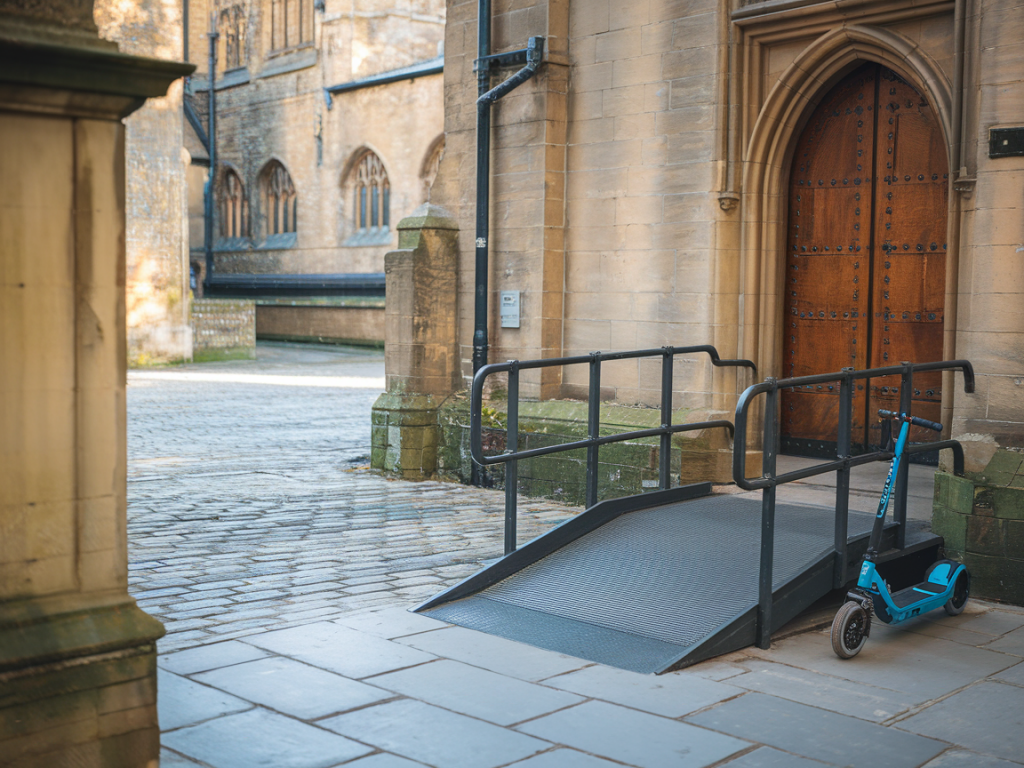
Step‑free arrival: Is there an accessible route from drop‑off to reception? Some buildings on the riverside have a ramped side entrance or a level courtyard — it makes all the difference when you arrive with luggage or mobility gear.Door widths: Hotel websites rarely state this, but reception teams can confirm whether doors are wide enough for wheelchairs or scooters. I always call to check rather than assume.Bathroom setup: I prioritise roll‑in showers, grab rails, a shower seat and non‑slip flooring. If the room only has a walk‑in shower with a small lip, it might still work for some but ask for measurements.Bed height and layout: Adequate space either side of the bed for transfers matters. I also check whether the room has blackout curtains and good lighting controls — helpful for sleep and safety.Lift access: If the accessible room is on an upper floor, a lift that fits an accessible scooter is essential. Confirm weight and size limits.Personally, I prefer small riverside guesthouses rather than large chains for atmosphere, but if you need specialist equipment or hoist facilities, larger hotels or dedicated accessible rooms in established chains may be a better fit. Whatever you choose, email photos and measurements where possible — it saves surprises on arrival.
Getting to and around York: transport that supports mobility needs
York is compact, but its historic streets and occasional cobbles mean some routes are easier than others. From my experience:
Rail travel: York station is accessible with step‑free access to platforms via lifts; staff are very helpful with boarding assistance if you request help in advance via National Rail or your train operator. There are accessible taxis waiting outside the station which can drop you close to your accommodation.Accessible taxis and private transfers: I found booking a wheelchair‑accessible taxi in advance very reassuring, especially for late arrivals. Many local firms will carry a mobility scooter if the boot or vehicle is large enough — always call ahead with dimensions.Park & Ride and buses: Park & Ride sites have level, accessible buses and priority seating; check times for evening services. City buses in central York mostly have low‑floor access, but confirm that drivers can deploy ramps if needed.Mobility scooter hire: For short stays I recommend hiring a mobility scooter rather than bringing one. Local hire companies deliver and collect — book early, especially for weekend stays during events.I planned two days using a mix of accessible taxi drops and a hired scooter. It allowed me to glide along the riverside without worrying about narrow pavements or busy pedestrian flows.
Quiet riverside routes I tested
One of the joys of York is the River Ouse. I explored several stretches to find the calmest, most accessible walks:
Riverside from Lendal Bridge toward Museum Gardens: Mostly level and smooth with benches spaced for rests. The riverside promenade here feels sheltered and quiet in the early morning or late afternoon.Along the Ouse toward the rowboat area: A lovely, gentler path with less foot traffic. There are a few pinch points where the path narrows — if you use a scooter or wide wheelchair, it’s easiest to go at quieter times.Terrace areas by The Minster: These are beautiful and close to cafés, but watch for sections with cobbles and slight gradients. I recommend approaching from the riverside rather than the High Street on a scooter to avoid the busiest pedestrian zones.I timed my walks for early or late hours to avoid the tourist rush and found the experience much more restorative — benches, riverside cafes, and the sound of the water made the city feel like a calm retreat.
Accessible attractions and what I tested
I visited a few popular sites to test real accessibility on the ground. A couple of practical notes:
York Minster: The Minster has step‑free entry options and lifts to most levels, though some historic sections remain challenging. Staff are receptive and can advise on the best route for visitors with mobility needs.Jorvik Viking Centre and city museums: Many museums have lifts and accessible routes. Booking quieter time slots makes the visit calmer and more enjoyable. Audio guides and seating are available in most major attractions.Boat trips on the Ouse: Some boat operators have limited accessibility. I spoke directly to operators to find services with level boarding or assistance — smaller group trips in calm conditions were easiest for boarding with support.Before visiting any attraction, I recommend checking AccessAble (the online accessibility guide) for detailed, up‑to‑date information. It saved me time and prevented unnecessary detours.
Dining and cafés: quiet tables with a view
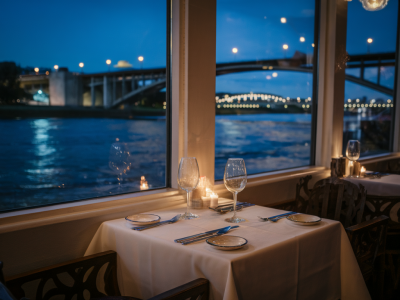
I always scout tables before recommending spots — for a mobility‑friendly weekend, the right table by the window or a level entrance matters as much as the menu:
Riverside cafés: Many riverside cafés have level access or a gently ramped side entrance. I asked for a top‑floor table once and the staff happily moved my booking to a ground‑floor seat by the window.Restaurants with step‑free access: Some of the best places offer accessible entry and an ambient, calm dining room. Make a note in your reservation and call the restaurant to confirm where they will seat you.Dietary needs and service pace: For restorative travel, I prefer venues that are happy to take things at a relaxed pace — ask for courses to be served a little slower if you’d like to savour the meal without rush.Practical tips I now always follow
From my weekend tests I distilled some small habits that make everything smoother:
Email photos: Ask the hotel or venue to email photos of the room, the bathroom and any routes (entrance, lift dimensions). It avoids surprises.Book assistance in advance: For trains, attractions, and boat trips, request assistance at least 24–48 hours ahead.Carry a compact folding ramp: If you have specific requirements, a lightweight ramp can help with small thresholds at cafés or older buildings.Timing matters: Early mornings or late afternoons are quieter on the riverside and in museums — perfect if you prefer calm, restorative experiences.Use accessibility resources: AccessAble, local visitor centres and hotel accessibility pages are invaluable. I always keep a screenshot of directions and contact numbers offline in case phone signal is patchy.If you’d like, I can suggest specific accessible rooms I’ve stayed in or map out a quiet, tested riverside route for your particular mobility needs. Drop me your travel dates, mobility specifics, and any must‑see spots and I’ll put together a tailored plan.