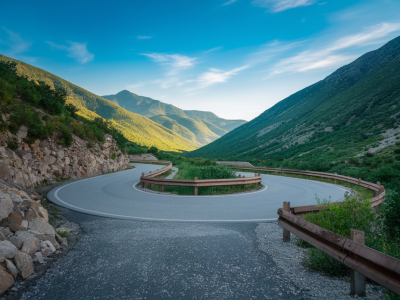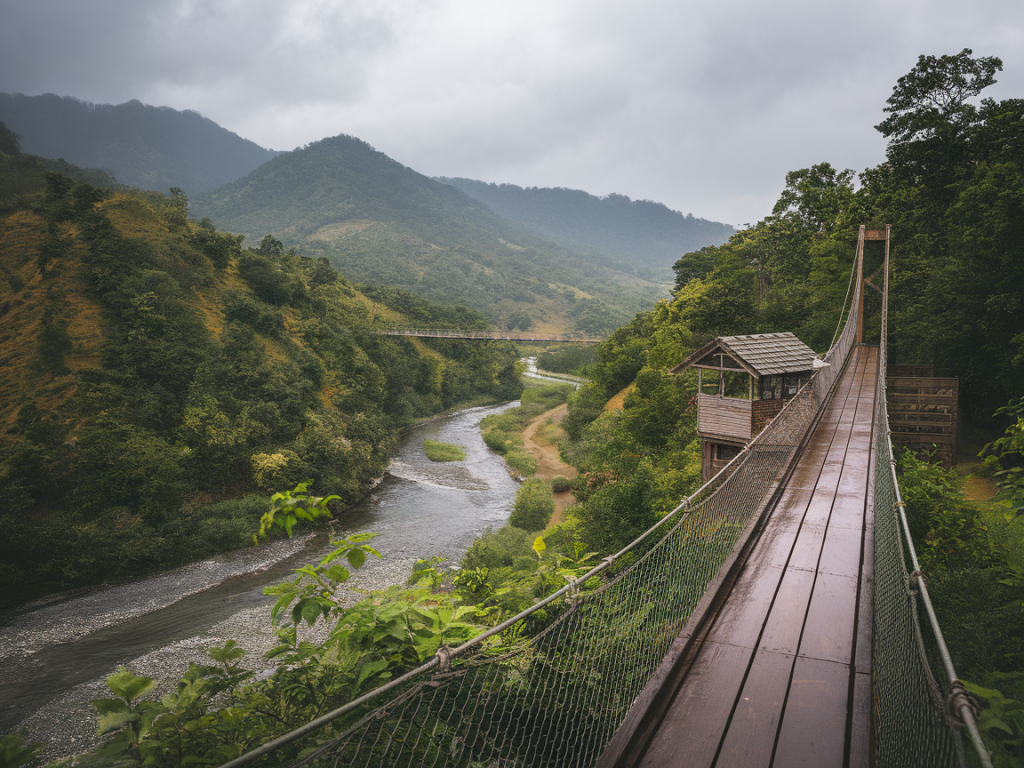
I still remember the first time I stepped into the mist of Coorg — locally known as Kodagu — and felt the soft damp of the hills press down like a welcome. I’d come hunting for green valleys, coffee aromas and living traditions, and what I found was a landscape that calls you to slow down: to listen to birds, to taste single-origin filter coffee at sunrise, and to meet people whose culture is braided into the land itself. In this piece I’ll guide you through how to découvrir Coorg entre nature café et traditions — with practical tips, favourite spots, comparisons and the small details that made my visits memorable.
Why Coorg? A quick portrait of nature, coffee and culture
Coorg is compact but diverse: lush coffee estates, rivers that cut through misty valleys, evergreen forests and sacred temples. It’s a place where agriculture and tradition remain visible in everyday life. If you’re drawn to nature walks, specialty coffee and authentic cultural encounters, Coorg delivers all three within manageable distances.
- Geography: Kodagu district sits in the Western Ghats with elevations typically between 900–1,750 metres (3,000–5,700 ft).
- Climate: Cool, wet monsoons; ideal coffee-growing conditions.
- Agriculture: Coffee plantations (shade-grown Arabica and Robusta) dominate the landscape and the local economy.
How I plan an itinerary to discover Coorg between nature, coffee and traditions
When I plan a stay in Coorg I build three pillars into my itinerary: nature (treks, waterfalls, viewpoints), coffee (plantation stays, cupping, local cafés) and traditions (temples, festivals, Kodava cuisine). That balance lets you appreciate the landscape, understand how coffee shapes daily life, and meet the custodians of local culture.
Top places to visit (my personal picks)
Below are the sites I turn to again and again when I want to fully experience Coorg’s three main charms.
- Abbey Falls: A short, verdant walk from the parking area leads to a powerful cascade framed by coffee and spice plantations.
- Raja’s Seat: A manicured viewpoint with layered valley views — perfect for sunrise or sunset.
- Madikeri Fort & Omkareshwara Temple: A compact historical and spiritual stop that introduces Kodagu history.
- Coffee plantations near Kushalnagar and Pollibetta: Many estates welcome visitors for guided plantation walks and tastings.
- Talacauvery and Bhagamandala: Birthplace of the Cauvery River and a pilgrimage area with scenic hilltop views.
- Nagarhole National Park (nearby): When you want a wildlife day — safaris can reveal elephants, deer and rich birdlife.
Comparing experiences: plantation stay vs. homestay vs. eco-lodge
Choosing where to sleep shapes the kind of “discovering” you’ll do. Here’s a simple comparison I use when deciding:
| Type | Atmosphere | Best for | Typical price range (per night) |
|---|---|---|---|
| Plantation stay | Rustic luxury within a working estate | Coffee immersion, guided walks | £40–£150 |
| Homestay | Personal, culturally rich | Kodava food, family stories | £20–£60 |
| Eco-lodge | Nature-focused, low-impact | Birding, treks, sustainability | £50–£120 |
Tasting Coorg: coffee, cuisine and culinary rituals
One of my favourite mornings in Coorg began with a small ceramic cup of filter coffee at dawn, steam curling up against the mist. Coorg celebrates its coffee in simple ways — filter coffee, strong and fragrant, and occasionally cold-brewed or served as locally flavoured specialties. I recommend visiting a plantation where you can:
- See the coffee processing (cherry to bean).
- Attend a cupping session to learn to distinguish roast profiles and origins.
- Taste Kodava dishes: pork curry (pandi curry), kadambuttu (steamed rice balls), and bamboo shoot preparations when in season.
Some stats that frame why coffee matters here:
- Karnataka is the largest coffee-producing state in India. According to the Coffee Board of India, Karnataka contributes the majority of national coffee output (over 65–70% in recent years — check the Coffee Board for the latest figures).
- Coorg (Kodagu) is one of the most renowned coffee-producing districts within Karnataka — estates here are often small, family-run affairs with multi-generational knowledge of shade-grown coffee cultivation.
Nature on foot: treks, waterfalls and wildlife
I’m partial to walking slowly through the canopy rather than ticking off summits, and Coorg rewards both approaches. Easy to moderate trails around Brahmagiri, Pushpagiri and Tadiandamol offer panoramic ridgelines. For waterfall visits, Abbey Falls and Iruppu Falls are dramatic after the monsoon; in drier months you’ll find quieter cascades and natural pools.
- Tadiandamol Peak: Highest in Coorg, full-day trek with sweeping views.
- Pushpagiri Wildlife Sanctuary: Great for endemic bird species and forest immersion.
- River activities: Kayaking and fishing can be arranged on calmer stretches, often bundled through local operators at homestays or lodges.
Culture and traditions: Kodava identity and festivals
To truly discover Coorg between nature, coffee and traditions, you need to meet the Kodava people. Kodavas have a distinct language, cuisine and customs — many revolve around land, clans and martial traditions. If you’re lucky to visit during a festival like Kailpodh (harvest/arms-offering) or Puttari (harvest festival), you’ll see indigenous dances, rituals and feasts.
- Visit family-run homes for Kodava meals (ask politely and book ahead if possible).
- Attend local markets — you’ll find spices, honey, homemade rice noodles and jars of fresh coffee beans.
- Learn etiquette: Kodava households may have specific customs around entering home shrines and sharing meals.
Practical tips from my trips
- Best time to visit: October–March for cool, dry days; monsoon (June–September) if you love dramatic greenery and waterfalls but expect rain and slippery trails.
- Transport: The nearest major railheads are Mysore and Mangalore; road travel from Bengaluru takes ~5–6 hours. Renting a car with a local driver offers flexibility to explore plantations and backroads.
- Health & safety: Mosquito repellent for evenings, sturdy shoes for trails, and respect for wildlife — don’t approach or feed animals.
- Booking: For plantation stays and homestays, book in advance during peak season and festivals.
Resources and further reading
- Lonely Planet — Coorg (Kodagu)
- Karnataka Tourism — Official site
- Coffee Board of India — production statistics and information
- Detailed guide to places to visit in Coorg
Quick checklist before you go
- Copies of bookings, emergency contacts and local operator numbers
- Light waterproofs and layered clothing (hill mornings are chilly)
- Reusable water bottle, insect repellent, and binoculars for birding
- Small gifts if you’ll be staying with local families — tea, chocolates or something from your region