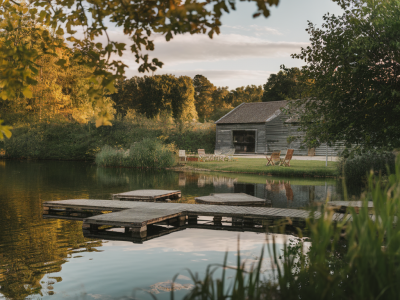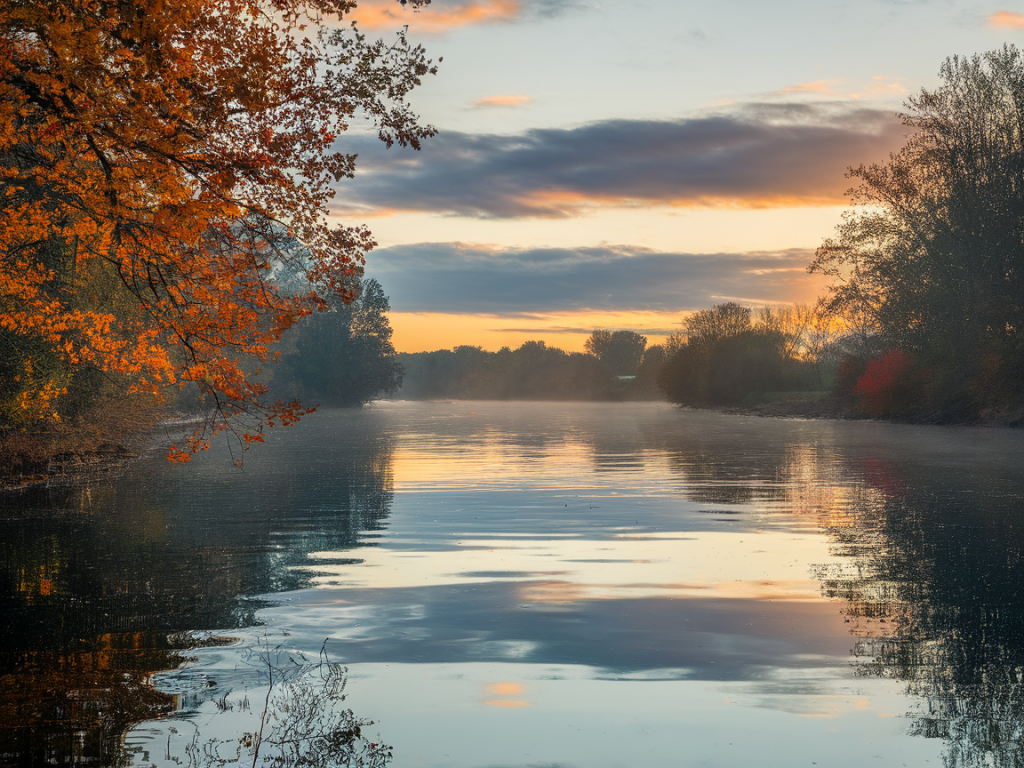
I wake before dawn when I know the river will be at its most forgiving. There’s a particular hush along the Ouse that feels like an invitation: the buildings’ reflections unfurl perfectly on glassy water, and the first pale light paints the stone and timber in soft, forgiving tones. From a riverside room at Fevershamlodge Co, you don’t need to rush to the quay — you can craft a calm, considered photoshoot from the comfort of your own window. Here’s the step-by-step plan I follow each time I want to capture sunrise reflections on the Ouse, with practical tips on gear, camera settings, composition and a few things I wish I’d known on my first attempts.
Prepare the night before
My best shots start with a small checklist the evening before. I pack everything I need and set an alarm, so I can move deliberately in the quiet morning rather than scrambling.
Check the weather and tide
Reflections need calm water. I always look at the Met Office and a local tide chart — a still morning after high tide often gives the calmest surface. A little breeze will ruin a mirror; light mist or low cloud can add atmosphere, but too much fog can hide the buildings altogether.
Set your wake-up timing
I aim to be at the window 30–40 minutes before official sunrise. The hour before sunrise — the civil and nautical twilight — gives layered light: deep blue skies, warm edge-light on buildings and, occasionally, the golden seam where the sun will rise. Being early lets you see how the reflections are forming and pick the right composition before the crowd of day-trippers appears.
Camera setup — the technical basics
I start with a standard setup that I then tweak to match conditions. Use manual mode if you’re comfortable, or aperture priority with exposure compensation if you prefer to work quickly.
| Situation | Aperture | Shutter Speed | ISO | Notes |
|---|---|---|---|---|
| Glassy water, tripod | f/8–f/11 | 1/2s – 2s | 100–200 | Use low ISO for sharpness; remote shutter or 2s timer |
| Very calm, long exposure | f/11–f/16 | 5s – 30s | 100 | ND filter optional if light increases quickly |
| Handheld or with slight breeze | f/4–f/5.6 | 1/60s – 1/200s | 200–800 | Raise ISO to maintain shutter speed; accept softer reflections |
Other technical points I follow:
Composing from a riverside window
From a room, you don’t have the freedom of moving along the riverbank, so composition is about working with framing and layers. I look for three strong elements: an anchor subject (a bridge, boathouse, or an especially characterful façade), a mid-ground (the river and its reflections), and background sky light that gives the scene depth.
Working the light as the sun rises
The light changes quickly. I take a series of bracketed shots (±1 EV) every few minutes to capture subtle differences in exposure and colour. When the sun peeks, the highlights can blow out fast on the water or pale stone, so I watch the histogram and protect highlights.
Practical tips for a quieter shoot
Windows can reflect your own room lights. I switch off internal lights and close curtains on either side if the room layout allows, creating a darker foreground so the glass behaves like an invisible frame. If light leakage persists, I place a black cloth around the window frame or shoot with the lens hood pressed lightly against the glass.
Post-processing approach
Back in Lightroom, my first step is white balance — I usually warm the scene slightly to bring out the golden dawn. Then I adjust exposure and highlights so the stones and timber retain texture. Clarity and Dehaze are applied sparingly: too much and the reflection loses its gentle mood. I often use the HSL panel to nudge blues and oranges for a balanced, natural palette.
Each sunrise along the Ouse feels like a private discovery. From my riverside room at Fevershamlodge Co, the city’s façades and the river’s glassy surface become an intimate theatre of light — and with a little prep and patience you can capture a morning memory that feels both tranquil and timeless.