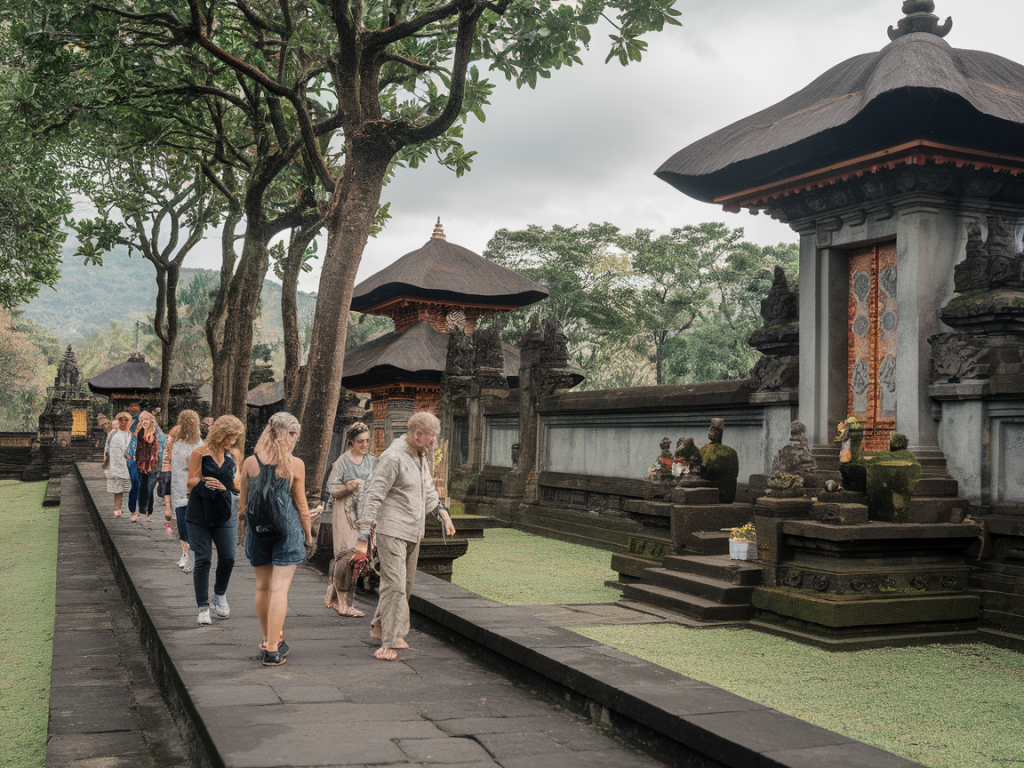
When I first set foot on Bali, I was immediately struck by how the island's landscapes and rituals are braided together—mountain trails leading to remote shrines, fishermen offering flowers before dawn, and village processions that stop traffic with impossible grace. If, like me, you want to explorer les traditions et temples de Bali rather than just tick off a list of sights, you'll discover a travel experience that feeds both curiosity and calm.
Why I choose to explore traditions and temples of Bali on foot
Walking lets me arrive at ceremonies at the right pace: slow enough to notice the offerings tucked under banana leaves, the careful brush of turmeric on a forehead, the way elders gather under banyan trees to gossip and give advice. Hikes and temple visits are not just scenic—they're a way to witness living culture. From early-morning pilgrimages up volcano flanks to quiet watershed shrines hidden in rice terraces, these are moments that travel photos alone cannot capture.
Temples that shaped my understanding of Balinese ritual
Some temples are famous and busy; others felt like secret corners where I observed local devotion uninterrupted. Below are a few that I returned to in different moods and seasons.
How hikes deepen the temple experience
When I link a hike to a temple visit, the journey becomes part of the offering. Here are hikes that doubled as cultural gateways:
Practical tips for joining ceremonies and visiting temples
I've learned a few essential rules that made my visits respectful and richer:
Etiquette I follow when I explore traditions and temples of Bali
Respect is the language that bridges visitor and host. When I enter a temple compound I lower my voice, avoid pointing my feet at altars, and let rituals unfold without intrusion. Sashes and sarongs are more than dress codes—they’re a way to signal respect for a sacred space. I always carry small flowers or incense if I want to offer something; locals appreciate the gesture when done sincerely.
Timing and seasonal notes
Balinese ceremonial life is tied to the pawukon and saka calendars; certain festivals reshape the island. I plan trips around a mix of predictable rites and chance encounters:
| Temple | Best time to visit | Why it matters |
|---|---|---|
| Pura Besakih | Early morning | Central to Balinese Hindu identity and large rite gatherings |
| Tirta Empul | Mid-morning (less crowded) | Purification springs where local participation is constant |
| Ulun Danu Bratan | Late afternoon | Beautiful light and water rituals tied to agriculture |
Safety, guides, and sustainable choices
I always hire local guides for off-the-beaten-path hikes and for temple visits where language or custom could be a barrier. Guides not only provide context but ensure my presence is welcome. I look for guides recommended by community-run organisations or guesthouses that give a fair share of fees to villages. For trekking, I use companies that practice Leave No Trace—Bali’s ecosystems and temple precincts are fragile.
Suggested day-to-day plan I often follow
Here’s a simple itinerary that balances hikes, temples and quiet time:
Resources I keep handy
I always carry a small phrasebook (or offline translation app) and a copy of temple opening hours. I bookmark community tourism initiatives and local blogs—these often announce small ceremonies that don't appear on mainstream guides. Finally, I keep a lightweight sarong and sash in my daypack so I'm ready for spontaneous invitations to participate.

