I have a soft spot for places that still feel a little undiscovered, where the trails are quiet and the views demand you slow down. Over recent years I’ve returned several times to the Balkans to découvrir les randonnées sauvages en Albanie, and each trip has left me with fresh routes to recommend, practical tips refined by experience, and a bigger appetite for this rugged country. In this piece I’ll share the best treks, logistical advice, safety and gear notes, plus a few personal observations to help you plan an authentic walking trip focused on wild, off-the-beaten-path hiking in Albania.
Why Albania for wild trekking?
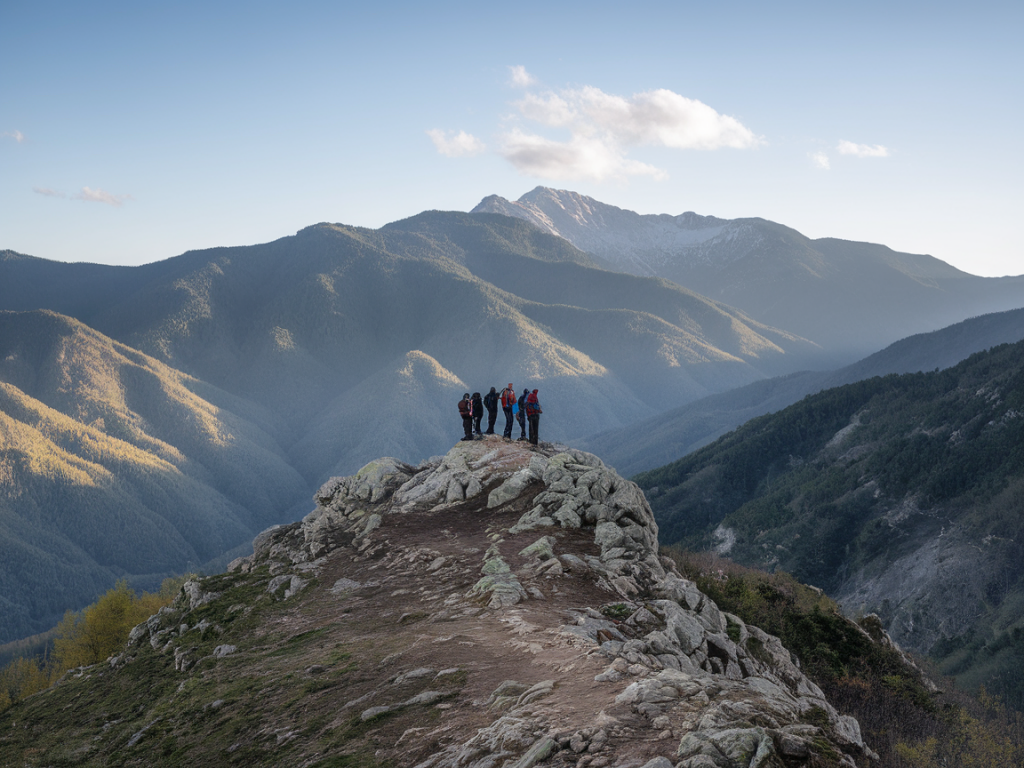
Albania offers a rare combination: raw mountain landscapes, dramatic coastline, and sparsely populated interiors. The country’s highest range, the Albanian Alps (also called the Accursed Mountains or Bjeshkët e Namuna), reaches peaks above 2,700 m (Maja Jezercë, 2,694 m). There are over 300 km of alpine ridgelines and dozens of remote valleys that remain little trafficked compared with the Alps or Pyrenees.
Some quick stats that I find useful when convincing curious friends:
- National parks: 15+
- Highest peak: Maja Jezercë — 2,694 m
- Long-distance trails emerging/researched: several (Valbona-Theth, Peaks of the Balkans)
- Average mountain hut density: low — expect to carry camping gear or book guesthouses in villages
Top treks to discover
Below I list the routes I recommend for different levels — day hikes, multi-day through-hikes, and coastal wild walks. I include distances, typical durations and what makes each special.
| Route | Region | Distance / Time | Difficulty | Key features |
|---|---|---|---|---|
| Valbona to Theth | Albanian Alps | 16–20 km / 1–2 days | Moderate to hard | Classic pass (Qafa e Valbonës), mountain villages, steep ascents |
| Peaks of the Balkans (section) | Tri-border (AL/MK/Kos) | 200+ km whole route / sectioned | Hard (multi-day) | High passes, remote refuges, border-crossing culture |
| Maja Jezercë circuit | Alps | 35–50 km / 3–5 days | Very hard | Technical scrambling, dramatic limestone peaks |
| Llogara to Dhermi coastal ridge | Riviera | 10–25 km / day hikes | Easy to moderate | Sea views, Mediterranean flora |
| Blue Eye & Syri i Kaltër (short) | South | 2–6 km / half-day | Easy | Karst spring, clear turquoise water |
Valbona–Theth: the gateway to Albanian wild hiking
This is the trek I keep sending friends to first. The route crosses the Valbona Pass (Qafa e Valbonës, ~1,795 m) and links two classic mountain villages. Expect steep ascents, loose scree in parts, and spectacular valley views. In high season (July–August) day-hiker numbers rise, but if you go in June or September you’ll often have the trail to yourself.
- Best time: June–September for snow-free passes.
- Accommodation: guesthouses in Valbona & Theth; book ahead in July/August.
- Water: reliable village sources; carry filtration for ridge days.
Peaks of the Balkans — an ambitious option
If you’re after a multi-day, cross-border immersion, the Peaks of the Balkans trail connects mountain communities across Albania, Montenegro and Kosovo. You can walk the whole trail (approx. 200 km) or pick sections inside Albania. I advise splitting into 7–10 day chunks and arranging local transfers; official waymarking is getting better but remains variable.
Why I love it: the trail is as much cultural as it is natural — shepherd huts, stone houses, and simple hospitality. You should be comfortable with navigation and carrying 3–4 days of food between villages.
Coastal wild routes: different but equally rewarding
Albania’s coast offers a contrasting kind of wildness — limestone ridges and scrubby Mediterranean landscapes where the sea is never far. The Llogara Pass to Dhermi ridge walks deliver panoramic sea views and late-season warmth. Expect hot, exposed summer days and aromatic herbs underfoot (thyme, sage).
- Llogara National Park has trails of varying lengths; combine a ridge walk with a descent to small coves.
- Wild camping near the coast is common but always respect private property and local signs.
Practical planning and logistics
Transport: Buses and minibuses (furgons) are the backbone of rural travel. Timetables are flexible; allow buffer time for delays. In remote valleys I often arrange private transfers for first/last mile convenience (expect to pay more than public transport).
Permits & borders: No special hiking permits are required for Albanian national parks, but if you’re doing cross-border routes (Peaks of the Balkans), ensure your paperwork is in order (passport, visas where necessary). Border crossings on foot are straightforward in marked areas but plan in advance.
Guides & local support: Hiring a local guide adds safety (weather, route-finding) and supports village economies. I’ve used local guides in Theth and Valbona; they know spring water sources and hidden trails. Prices vary — expect roughly €40–€80/day depending on duration and remoteness.
Gear, safety and wilderness ethics
Gear essentials for wild Albanian hikes:
- Sturdy boots with ankle support (rocky terrain).
- Lightweight waterproof shell — sudden storms occur.
- Map + compass and offline GPS; waymarking is inconsistent.
- Water treatment (filter or tablets) — mountain streams are generally safe but better to filter.
- Headlamp, first-aid kit, emergency bivvy.
Safety notes I live by: check local weather in the morning, start early on ridge days (winds rise in the afternoon), and respect livestock areas — shepherd dogs are protective. In winter the routes can become alpine; only attempt with winter gear and experience.
When to go: seasonality and crowding
Season choice shapes the experience:
- Late spring (May–June): wildflowers, lower crowds, possible late snow on high passes.
- Summer (July–August): warm, peak season — services open, but higher temperatures and more hikers.
- Early autumn (September–October): stable weather, dramatic colours, fewer people.
- Winter: for experienced mountaineers only — heavy snow and avalanche risk in Alps.
Resource list and further reading
For planning, I frequently cross-check multiple sources. These give excellent maps, updates on trails, and cultural background:
- Lonely Planet — Albania (practical tips and regional travel info)
- Peaks of the Balkans Trail (official trail info)
- National Geographic — Albania travel features (inspiration and photography)
- AllTrails — user routes and GPS tracks (route GPS and recent trail reviews)
My top three insider tips
- Carry cash: many guesthouses and village shops don’t take cards. ATMs become scarce as you reach the high valleys.
- Start early on summer ridge hikes to avoid midday heat and afternoon storms — I aim to be off exposed ridges by 14:00.
- Accept hospitality: a simple tea or raki offered by a shepherd can lead to stories and route tips you won’t find on maps.
Sample 5-day itinerary (Alpine focus)
For those wanting a concrete plan, here’s a compact itinerary I’ve walked that mixes villages, ridgelines and a rest day.
- Day 1: Arrive in Shkodër, transfer to Valbona — short acclimatisation hike.
- Day 2: Valbona to Qafa e Valbonës to Theth (~6–8 hours) — overnight in guesthouse.
- Day 3: Theth local loop (Blue Eye of Theth, Grunas waterfall) — rest day options.
- Day 4: Theth to Çerem or nearby high pass — wild camping or simple lodge.
- Day 5: Return to Shkodër via valley roads or private transfer.
Environmental and cultural respect
Albania’s wild spaces are shaped by pastoralism and small-scale agriculture. To keep trails wild and welcoming, I follow these habits:
- Leave no trace — pack out all non-biodegradable waste.
- Ask permission before photographing people or private property.
- Support local businesses: guesthouses, cafés, and guides give more to the community than large tour operators.
Closing practical links
If you’re inspired to plan, bookmark detailed trail descriptions, local transport schedules and guesthouse contacts. A few practical official resources I use when checking road and park info are the Albanian National Tourism Website, regional guesthouse directories, and community forums where recent hikers post updates.
Further questions about routes, gear or planning specific itineraries are welcome — I’m happy to help refine an alpine or coastal plan tailored to your fitness, timing and appetite for true wilderness.