I love planning short walking routes that feel restorative rather than rushed — and York’s riverside is one of my favourite places to begin. Below I’ll share how I design a half-day historic walking route that starts by the River Ouse, balances calm moments with key sights, and leaves time for a cosy lunch or tea. This is practical, tested advice I use when scouting for Fevershamlodge Co, and I’ve included tips on pacing, accessibility and where to pause for the best views.
Why start at the riverside?
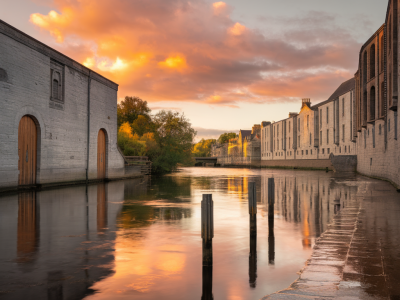
The riverside sets the tone. The gentle flow of the Ouse, reflections of historic façades, and the quieter soundscape help ease you into the city’s layered history. Starting from the river also gives you flexible options — you can walk north upstream toward the city walls and museums, or head south toward quieter terraces and long river views. I usually recommend the stretch around Lendal Bridge and the Ousebank for a route that packs in atmosphere without feeling crowded.
Key considerations before you set off
When I plan a half-day walk I think about four things: timing, footwear, weather, and resting points.
Timing: Aim for 2.5–4 hours on foot. That allows you to cover 1.5–3 miles at a gentle pace with stops.Footwear: Cobbles and uneven paths are common. Comfortable walking shoes with good grip make all the difference.Weather: Riversides catch wind and can be chilly even on sunny days. Pack a light waterproof and a scarf.Resting points: Identify cafés, benches and pubs on the route so you have options if you want to extend a stop.Suggested half-day historic route (approx. 3 hours)
The route below starts at the riverside near Lendal Bridge and is designed to be flexible. I generally begin early to enjoy quieter streets and better light for photos.
| Start | Lendal Bridge riverside (near Fevershamlodge Co area) |
| Duration | Approx. 2.5–3.5 hours depending on stops |
| Distance | 1.5–2.5 miles (2.5–4 km) |
Step-by-step route I follow:
Riverside by Lendal Bridge: Start here to take in the mirrored façades of buildings and the gentle bustle of boats. It’s a favourite spot for a first photo. If you’re staying at Fevershamlodge Co, this waterside mood is the kind of calm I aim to capture for guests.Walk toward Ouse Bridge and High Petergate: Cross the Ouse or follow the northern bank toward the bridge, then veer into High Petergate to climb the incline toward the Minster. This stretch is perfect for noticing York’s medieval grain: narrow alleys, timber-framed houses and subtle architectural changes from era to era.York Minster precinct: I often spend 30–45 minutes here. Even if you don’t go inside, the exterior sculptures and the Chapter House are worth lingering over. If you fancy a longer stop, the Minster has regular opening hours and guided tours that deepen the history.Minster Gates and Deangate: From the Minster, walk through the Minster Gates and down Deangate, then cut across to the Snickelways (narrow historic lanes). These little passages — Izaak Walton’s influence in miniature — are great for discovering lesser-known plaques, tiny courtyards and atmospheric shops.Shambles: No historic walk in York is quite complete without popping into the Shambles. I suggest a quick meander rather than a long linger to avoid crowds; look up for the overhanging timber beams and for any surviving medieval shopfronts.Back toward the river via Kings Staith: Loop down to Kings Staith for a quieter riverside perspective and good views of barges and swans. There are a few benches and an ideal spot to sit with a flask or take photographs as the water changes light.Optional detour — Museum Gardens: If you prefer museums and green spaces, the Museum Gardens are a short stroll from Kings Staith and offer ancient ruins, academic history and peaceful lawns to rest on.Finish with lunch or afternoon tea: End at a riverside café or pub — here are my reliable picks: The Perky Peacock for relaxed brunch, or the riverside terrace at The Old White Swan for a hot meal with a view. If you’d rather tea and cake, Bettys on Grape Lane is classic, though slightly away from the immediate riverbank.Practical tips for an enjoyable walk
I try to keep these simple and realistic — things I personally check before inviting readers to follow one of my routes:
Packing list: Water bottle, lightweight rain jacket, camera/phone with enough battery, comfortable shoes, small change for toilets and donations.Access notes: Much of this route is level or gently sloped but cobbles and narrow alleys can be tricky with a wheelchair or stroller. For step-free access, follow the river paths and Museum Gardens which have smoother surfaces.Toilets: Public loos are available near the river and at the Museum Gardens; cafés along the route usually allow customers to use facilities.Tickets and opening times: If you plan to enter the Minster or museums, check opening times and consider pre-booking in busy seasons.Making the route personal
I always add a small indulgence to my walks — a pastry from a local bakery, a hand-drawn map in a notebook, or a short stop to sketch the view. If you like photography, aim for early morning or late afternoon for soft light on the stonework. For families, I turn the route into a mini-history scavenger hunt: look for gargoyles, count sets of medieval timbers, or find a specific plaque — small prompts keep children curious without tiring them.
Alternate themes and variations
Depending on your interests, you can tweak the route easily:
Historic architecture focus: Spend longer at the Minster and add a guided walking tour that explains the city’s medieval guilds and stonework.Foodie version: Start with riverside brunch, stop at a cheese shop on the Shambles, and finish with seasonal fare at a hotel restaurant.Slow wellness amble: Keep the pace light, add a 20-minute riverside meditation stop, and finish with a restorative spa treatment at a nearby boutique hotel.If you’d like a printable map or a custom variation (family-friendly, wheelchair accessible, or timed for sunset), I’m happy to tailor the route — reach me via the contact page at https://www.fevershamlodge.co.uk. I design these routes so a short morning or afternoon can feel like a gentle invitation into York’s deep and quiet stories.