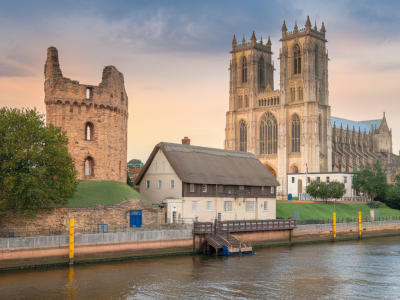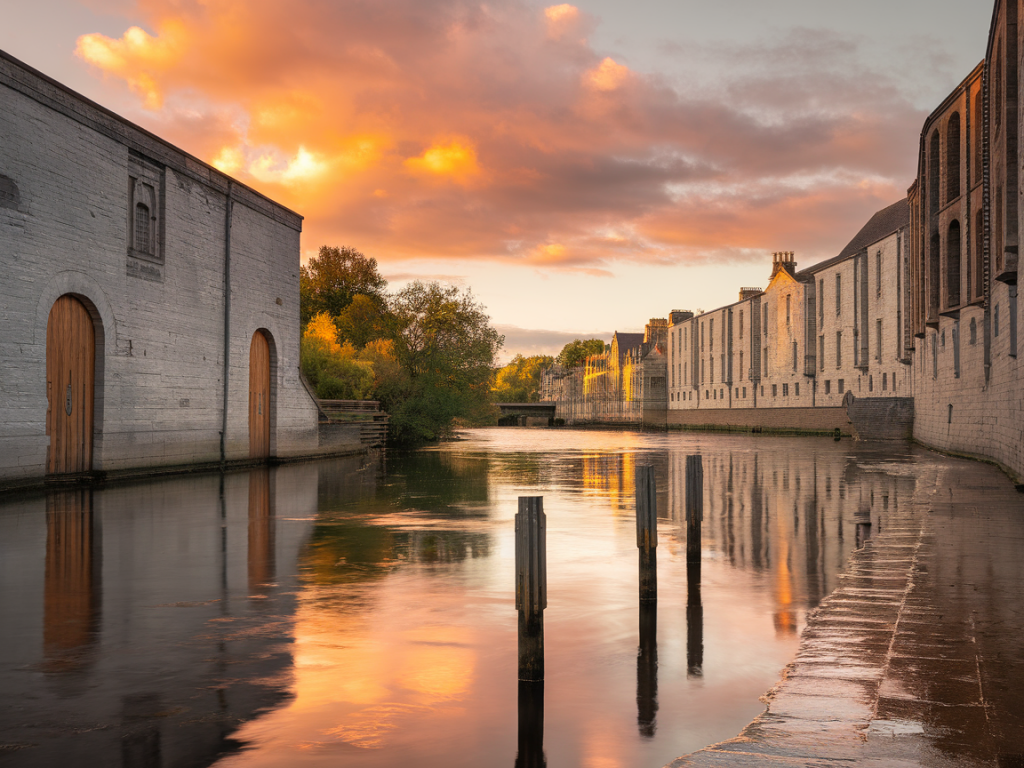
Golden hour along the River Ouse in York is one of those small, luminous moments I never tire of. The city seems to exhale — stone façades warm, reflections soften, and even the busiest quays feel calmer. You don’t need a fancy camera or a stack of lenses to capture that glow. Over the years I’ve learned a few simple, practical tricks that make a big difference when you’re photographing York’s riverside at golden hour. Here are my top tips, tested on early-morning walks and late-evening collections of shots from Feversham Bridge to The Shambles view.
Scout your spots before the light
Golden hour is fleeting, and the best way to use it is to know where you want to be. I like to walk the route during the day first — note where reflections are strongest, which benches face west, and where any trees or lamp-posts might cast distracting shadows. Popular spots along the riverside that respond beautifully to golden light include:
Use the free map on my site (https://www.fevershamlodge.co.uk) to mark vantage points, or simply drop a pin in your phone. That way, when the light arrives you’re not wasting a minute deciding where to stand.
Keep your gear minimal and smart
I travel light because the riverside is best enjoyed on foot. A few essentials suffice:
You don’t need a telephoto lens for most riverside shots; a wide to standard range (24–70mm equivalent) covers everything from broad riverscapes to intimate café tables by the quay. If you’re using a phone, try a small clip-on wide lens like those from Moment — they’re inexpensive and transform composition options.
Timing: arrive early and stay late
Golden hour changes with the seasons. In summer the light lingers; in winter it’s swift and urgent. I aim to arrive 20–30 minutes before the official golden hour so I can set up, test compositions, and be ready as the first warm rays hit the stone. Staying 15–20 minutes after the formal golden hour often gives you the softest pastel skies — the blue hour — which makes for lovely moody images of the river and lit buildings.
Work with reflections and silhouettes
York’s riverside is all about reflections — of buildings, bridges, ducks, and the occasional swan. To make the most of them:
For smooth reflections and silky water, use a tripod with a slow shutter (0.5–2 seconds). If you’re hand-holding, raise ISO slightly and keep shutter speed fast enough to avoid motion blur from your hands.
Expose for highlights — then recover shadows
Golden hour’s colours are in the highlights — the sunlit stone and the sky. I usually expose for the highlights to avoid blown-out highlights and then recover the details in the shadows during editing. If you’re using a phone, tap to expose on the brightest part of the scene and slide down to darken if necessary. On a camera, use exposure compensation of -0.3 to -1 stop if the scene is very bright.
If possible, shoot in RAW. RAW files retain far more detail in highlights and shadows and give you the flexibility to bring out textures in the cobbles or the wooden beams of riverside inns without introducing noise.
Compose with foreground interest and leading lines
Riverside photos feel more inviting when there are layers. I often include:
Golden hour light creates long shadows that can become compositional elements themselves. Position them diagonally through the frame to add depth and movement.
Mind the white balance and keep colours natural
Golden hour can make cameras swing towards overly warm tones. I tend to use the “cloudy” or “shade” white balance preset to retain warmth without getting orange faces, or I leave it on auto and fine-tune in post. If you’re aiming for a faithful representation of York’s stonework, slightly cooling the mid-tones in editing can bring out textures while preserving the glow in the highlights.
Edit lightly — enhance, don’t overcook
Less is more. I usually make small adjustments:
On my laptop I use Lightroom; on my phone I prefer Snapseed for quick, precise edits. A subtle gradient filter across the sky can enhance the golden hour without looking artificial.
Practical tips for a comfortable shoot
Golden hour is also a time to enjoy being by the river — not just chase photos. I always carry:
And if you’re staying nearby, check with your host or hotel — like those I love recommending on Fevershamlodge Co — for permission to use private riverfront pathways early in the morning or late at night.
Practice and enjoy the light
Photographing York’s riverside at golden hour is as much about slowing down as it is about technique. Walk slowly, watch how the light travels across a façade, and take several frames from the same spot — the small differences often produce the best results. With a little preparation and a willingness to experiment, you can capture images that feel both intimate and timeless, even without expensive gear.