When I started Fevershamlodge Co I knew I wanted to help people make small decisions that create memorable stays — and none of those small decisions feels quite as indulgent (or as fraught) as the choice to pay a premium for a riverside room. I test the properties I recommend and sleep in many different rooms myself, so I’ve spent a lot of nights weighing views against costs, silence against convenience. Below I share what I’ve noticed about riverside rooms at properties along the Ouse: how much extra you can expect to pay, what you actually get in terms of view, noise and comfort, and when I think it’s worth the splurge.
What you’re paying for — and what you really get
At first glance, the extra cost for a riverside room is straightforward: better views. But that view comes bundled with other benefits (and sometimes drawbacks) you don’t always see on the booking site:
- Light and mood: A room facing the river often has larger windows and a softer light in the morning and evening. For me, that slow, reflective light creates the restful atmosphere I travel for.
- Proximity to action: You’re closer to riverside cafes, morning walks and sunset benches — handy if you like to step out without crossing roads or dragging luggage.
- Soundscape: The river brings gentle, natural sound — water lapping, birdsong, boats — but also riverside activity: deliveries to restaurants, early market vendors, occasional boats with engines or music. The level of noise depends on the property’s window quality and the season.
- Privacy and sightlines: Some riverside rooms look directly across to other buildings or public walkways. If you value privacy, check whether windows face a public promenade or a private garden.
- Room layout: Riverside rooms are often allocated to larger or higher-category rooms, so you may get a better mattress or an armchair for the window — small comforts that matter to me after a day of walking York’s cobbles.
Real comparisons: view, noise and comfort
On recent overnight visits I compared three typical riverside room types I see in York: Economy Riverside, Standard Riverside, and Riverside Superior. Here’s a compact table of what I noticed — prices are examples and vary by season, but the differences in experience are consistent.
| Feature | Economy Riverside | Standard Riverside | Riverside Superior |
|---|---|---|---|
| Average extra cost | £15–£30 | £30–£70 | £70–£150+ |
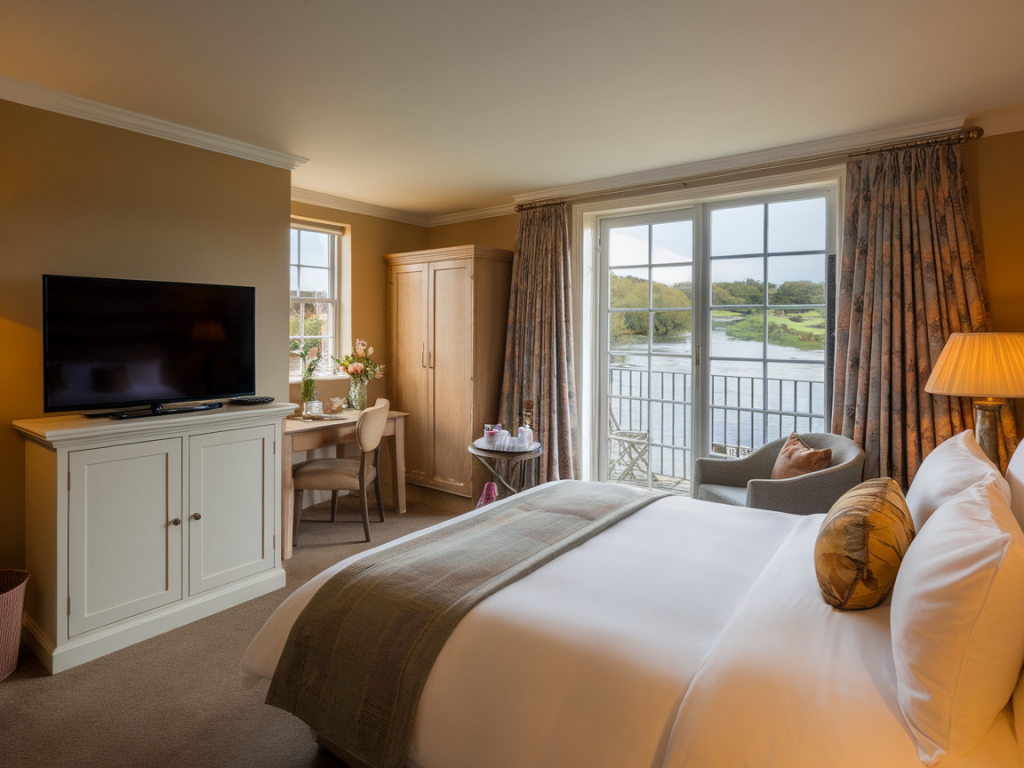
| View quality | Partial river or courtyard glimpse | Direct river view, good sightlines | Panoramic river view, balcony or large windows |
| Noise level | Moderate (thin windows) | Low to moderate (double glazing common) | Low (soundproofing & higher floors) |
| Comfort & extras | Basic bed, small window seat | Better mattress, seating area, quality toiletries | Large beds, seating by window, espresso machine, upgraded bath |
| Best for | Budget travellers who want a taste of the river | Couples and short city breaks | Special occasions, photographers, slow-stay seekers |
Noise: how much will it disturb your sleep?
I’m often asked whether riverside rooms are noisier. The honest answer: it depends on three things — the room’s glazing and insulation, which floor you’re on, and the time of year.
- Window quality: Modern double or triple glazing makes a night-and-day difference. In hotels where windows are well maintained, the river’s natural sounds are calming rather than intrusive.
- Floor level: Higher floors are generally quieter. Ground-floor rooms facing the promenade pick up footsteps and conversations more readily.
- Season and events: Summer evenings bring more people out to riverside bars and pubs. Market days and festivals increase daytime noise. I always check the hotel’s event calendar when booking.
When I stayed in a ground-floor riverside room during a summer weekend, deliveries started around 6:30 a.m. and I could hear voices below. On a different visit to a third-floor riverside superior room, the sound of a passing boat was a pleasant background note and I slept without interruptions. If sleep is a priority, ask the property for their quietest riverside option or book a room on a higher floor.
View: how much does it enhance the stay?
Views are subjective, but for me the river view is not just about the photograph — it shapes the pace of the stay. A cup of tea by a window that opens onto the Ouse turns a morning into a little ritual. Here are situations when I think the view is genuinely worth paying for:
- When you plan to spend time in your room reading, writing or simply lingering — a riverside window becomes a living room for those moments.
- For short stays (one or two nights) where the view may be the main scenic highlight of your trip.
- When the room includes a balcony or seating that faces the water — that extra space is where memories are made.
If you’re only using the room to sleep and will be out exploring from dawn to late evening, I usually suggest saving the money and choosing a comfortable non-riverside room instead.
Comfort: mattresses, heating and little luxuries
What surprised me most is how often riverside rooms get better interior treatment. Because they’re marketable, hotels frequently reserve their nicest beds, better linens, and upgraded toiletries for riverside categories. I’ve noticed:
- Memory foam or pocket-sprung mattresses in higher-tier riverside rooms.
- Extra touches like Nespresso machines, robes and premium bath products (I’ve seen Malin+Goetz and REN at some properties).
- More seating and a table by the window for breakfast in-room — lovely when you order from a local riverside café.
These differences add up: comfortable bedding and a thoughtful kettle can transform tired feet into a restorative night. If those tactile comforts matter to you, factor them into the value of the riverside upgrade.
Practical booking tips from my stays
- Ask for a room location: When booking, request the exact room or at least the floor and whether the windows face the promenade or water directly.
- Check glazing and noise policies: If you’re sensitive to sound, ask if the property offers soundproofed rooms or quiet hours. Many small guesthouses favour early closing times at the bar, which can make a huge difference.
- Time your stay: For quieter riverside evenings, consider midweek or off-season travel. Autumn and winter bring stillness and misty mornings that make riverside rooms especially atmospheric.
- Use photos wisely: Don’t rely only on the hero photo. Look for guest photos on review sites to see the real view and window treatments.
- Compare the total cost: Sometimes upgrading to a riverside room includes breakfast or late checkout — weigh the full package rather than the nightly rate alone.
When I say it’s worth it
I’ll book a riverside room and happily pay extra when I want a restorative stay that includes slow mornings at the window, when the room itself will be a place to linger, or when I’m celebrating. I’m less inclined to pay for the view on a short working stop or a trip where I’ll be out from dawn until late. In those cases, comfort and convenience — a good mattress, easy access to transport, a quiet location — win over river vistas.
If you’d like, tell me the dates and the property you’re considering and I’ll give a quick read on whether a riverside upgrade is likely to be worth it for your trip. I love helping visitors find the right kind of rest on the banks of the Ouse.